

Update your Packaging with Renewable Molded Pulp!
Rugged. Reliable. Recyclable.
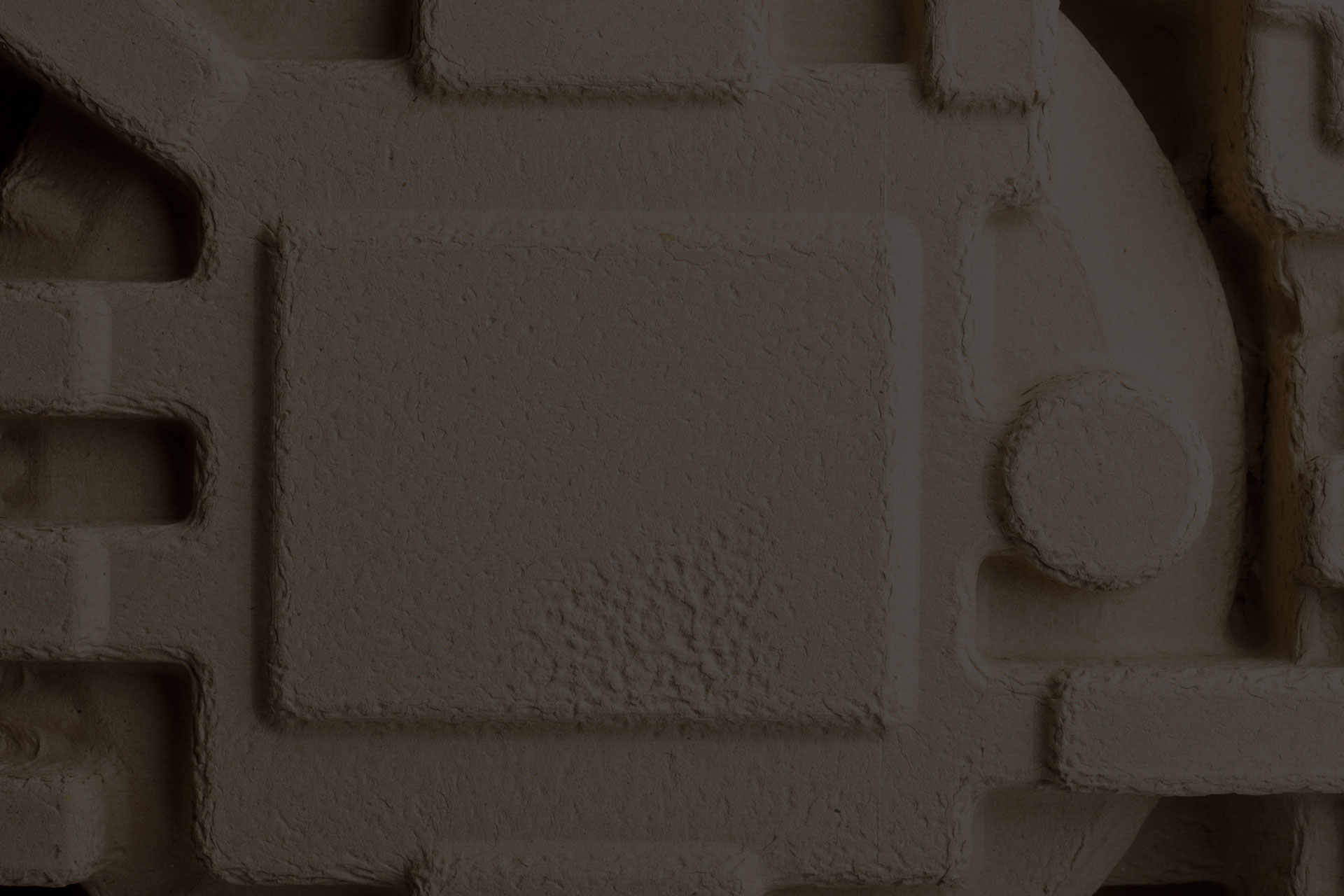
Along with excellent protective qualities, Keiding's molded pulp packaging can improve your production operations with time saving designs, warehouse space savings and transportation costs with our nestable molded pulp products. Explore examples of our molded pulp packaging applications below.
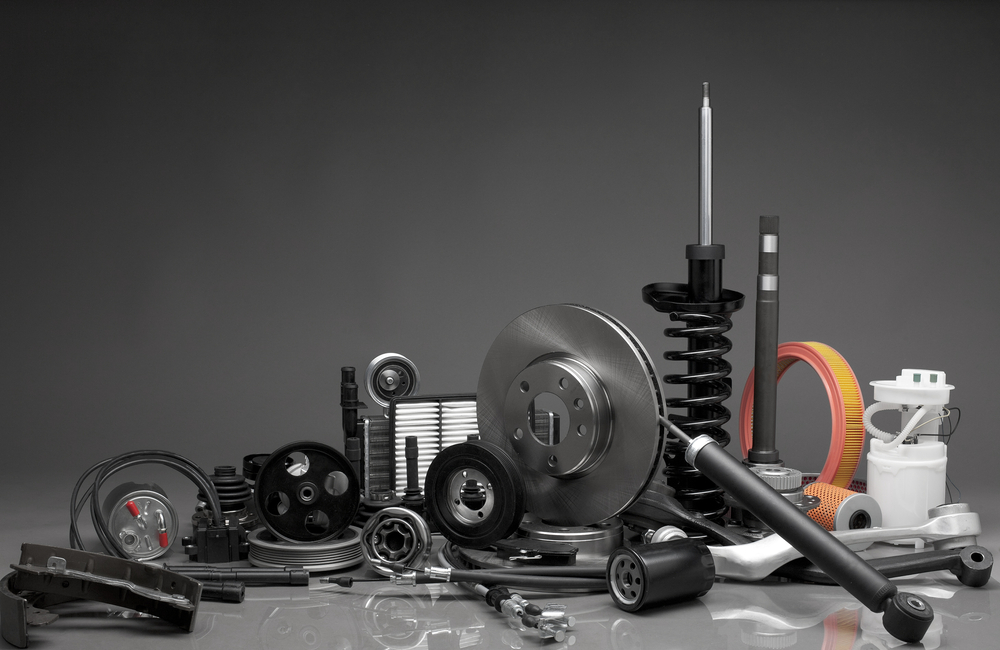
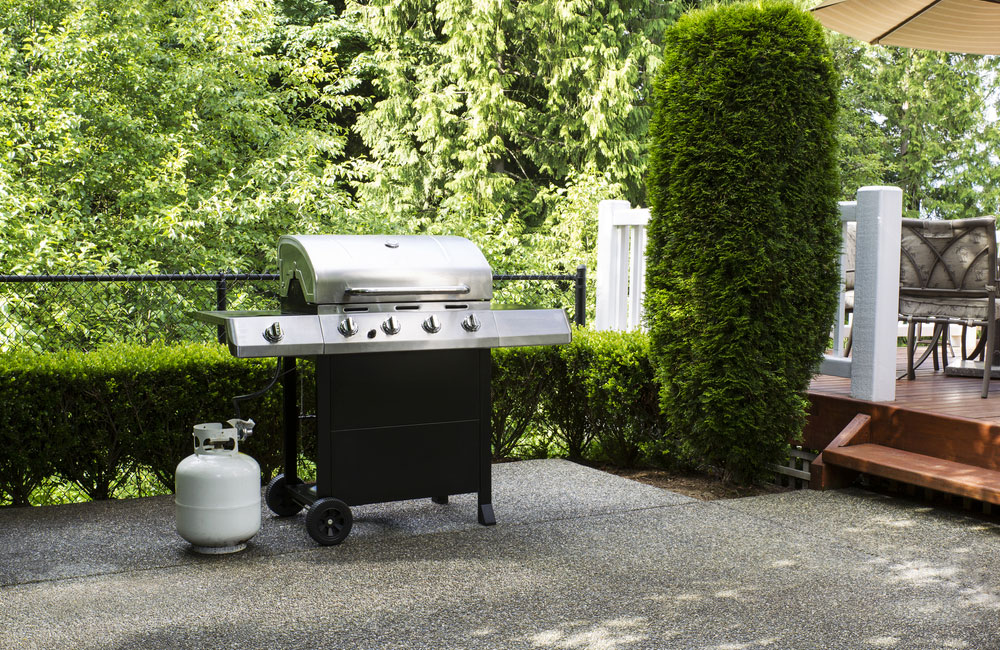

Make the switch to Renewable Molded Pulp!
Take advantage of Keiding’s years of experience in designing and manufacturing protective molded pulp packaging products. Using cost savings state-of-the art technology, Keiding can provide complete services in creating environmentally sustainable packaging for most items weighing 10 to 100 pounds, individually, in sets or bulk.

We Think INSIDE the Box
Is your product over 10 pounds per individual piece?
Are you looking for support, blocking or bracing package applications?
If so, our Type 1 heavy-wall molded pulp may be the perfect solution you’re searching for. Complete the short form and a packaging specialist will review your product!